
Against All Odds: How a Romanian Organization Is Fighting for Same-Sex Partnerships
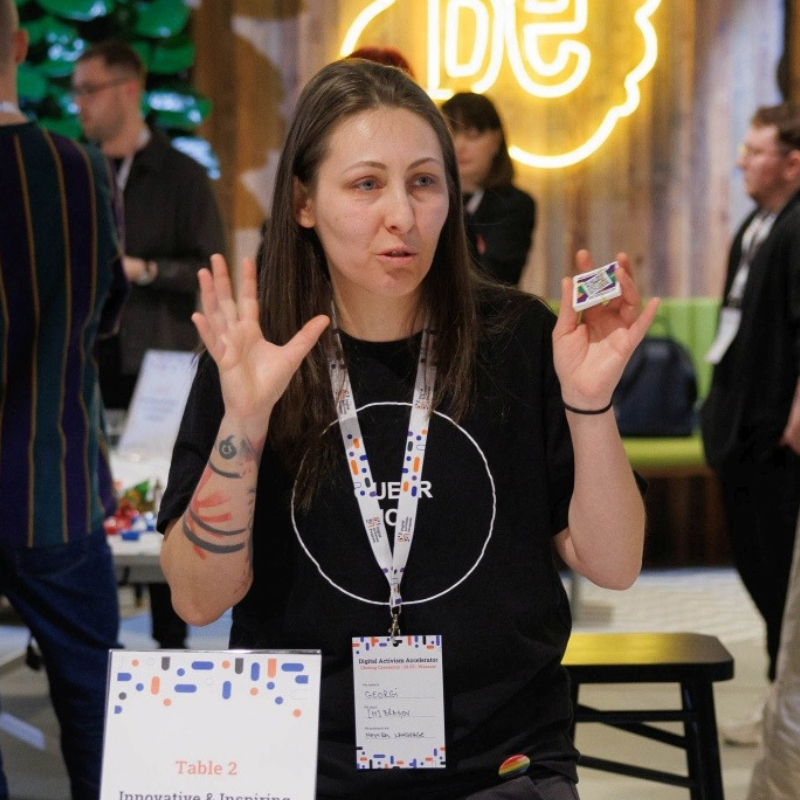
As early as 2018, Georgi Țucan began fighting for the recognition of same-sex partnerships—not least for their own. Yet although a European court ruling has been in place since 2023, the Romanian government continues to delay the protection of same-sex relationships and families. In the midst of a polarized society, Georgi founded the organization [H] Brașov, which filia has been supporting since 2026—and explains how, despite everything, they are making meaningful progress for the LGBTIQ+ community.
Georgi Țucan writes the warmest emails. Thir updates from Romania brighten up every gray day, because they’re brimming with passion and determination.
Georgi lives in Brașov, Romania’s seventh-largest city. Romania’s constitution does not explicitly prohibit same-sex marriage. The term for “spouses” is gender-neutral, leaving room for interpretation. In 2018, a referendum sought to change this neutral wording to explicitly exclude LGBTQIA+ people. That referendum failed.

What did the failed referendum mean—including for you personally?
Georgi: “This lack of an explicit constitutional ban left the door open for the European Court for Human Rights to eventually rule in Buhuceanu and Others v. Romania that the state must legally protect same-sex relationships through civil unions and/or registered partnerships.
The judgment became final on September 25, 2023. Me and my partner (not legal yet, wife) were part of this case. Back in 2018, when the case first began, we were among the first couples to go to the Civil Status Office of Sector 1 in Bucharest to submit our marriage papers, only to receive an inevitable refusal. Today, years after that historic legal journey, Romania has yet to implement any legislative changes or offer legal protection.”
By loading the map, you agree to Google's privacy policy.
Learn more
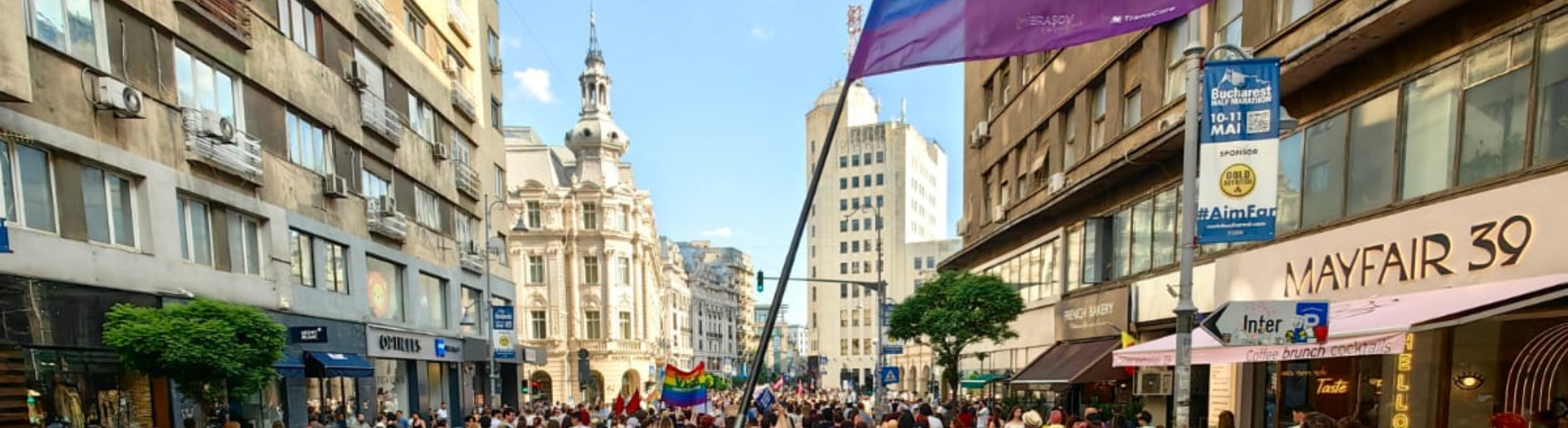
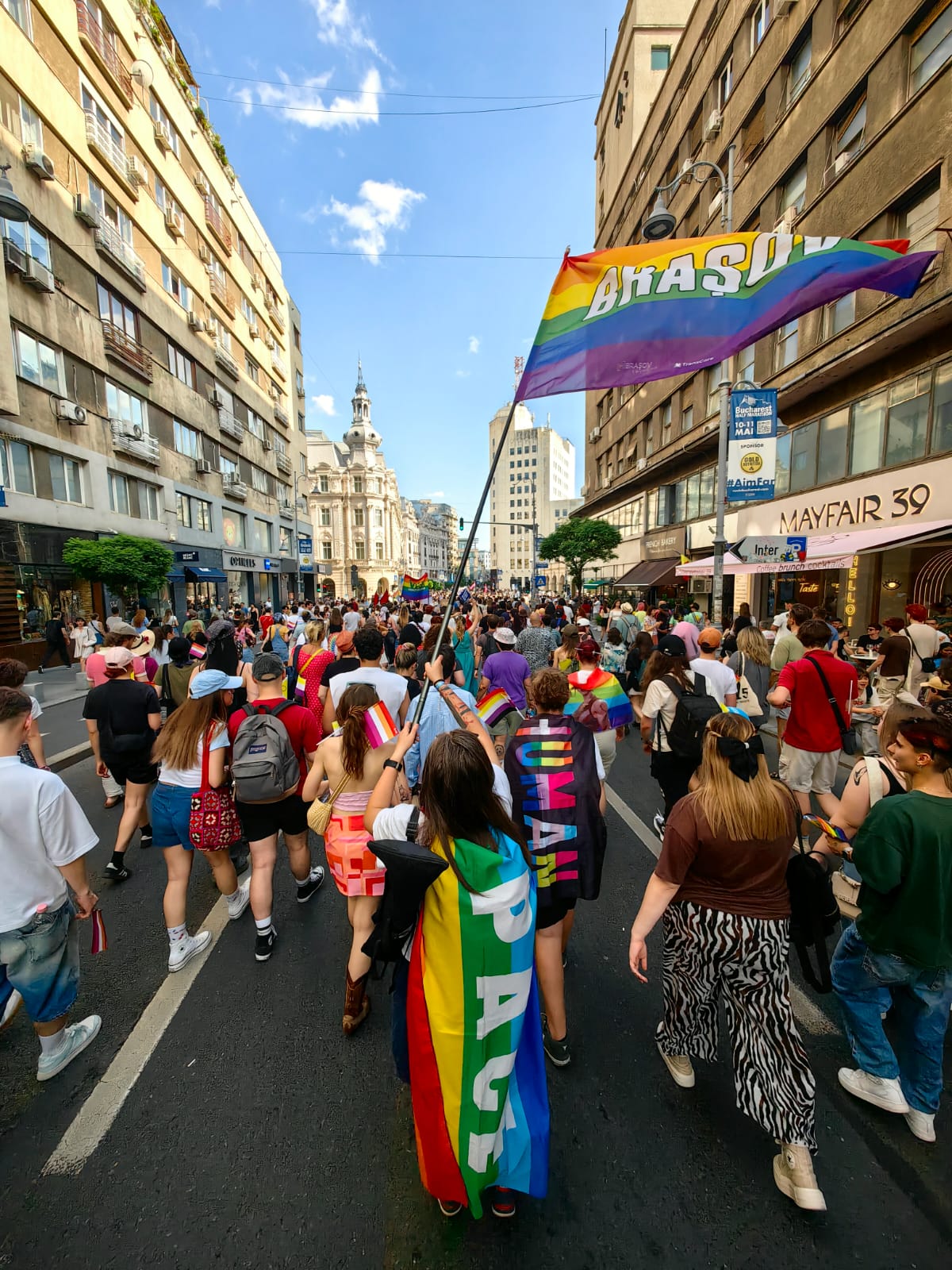
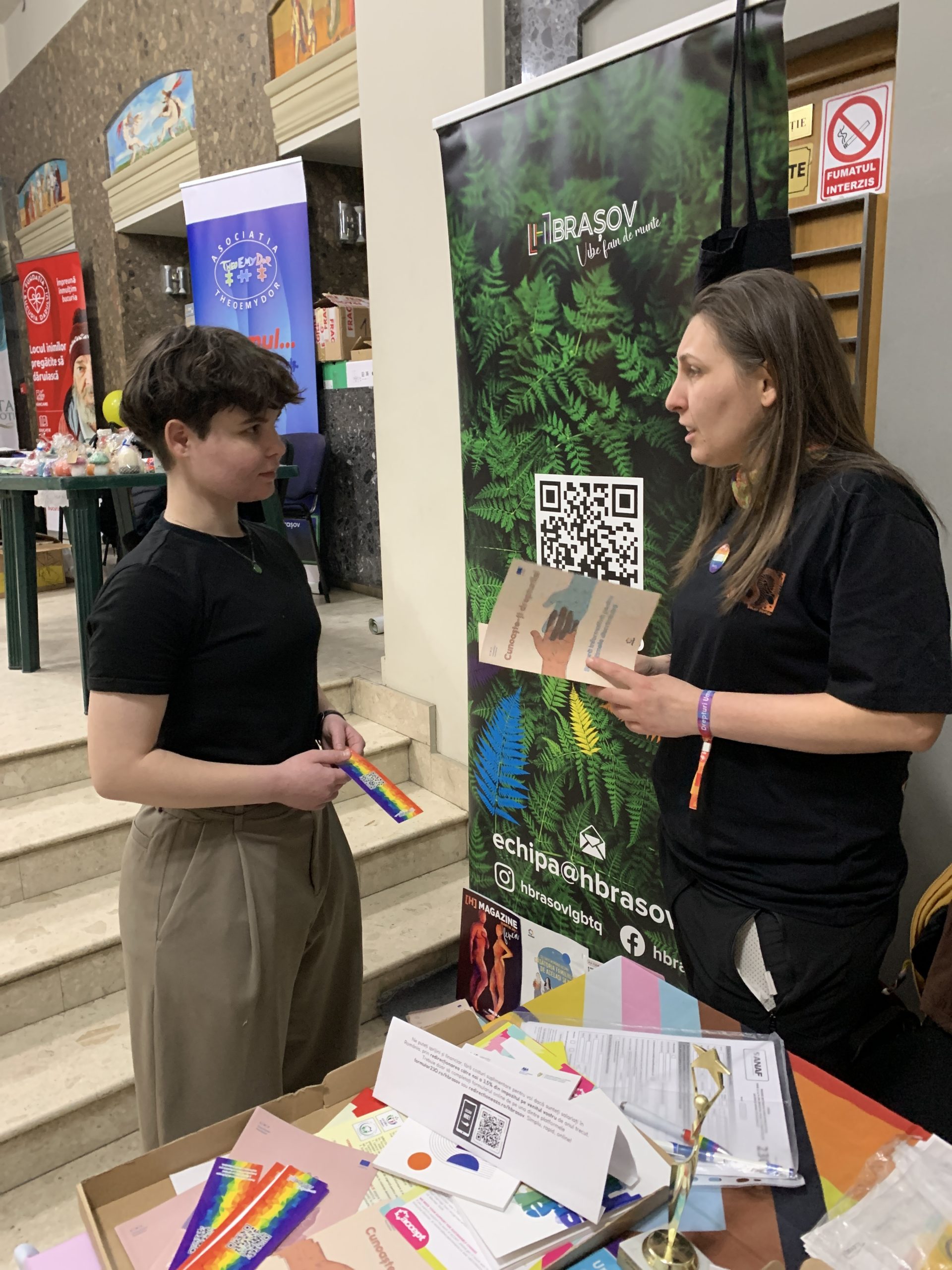
Although the referendum was a painful moment for the queer community, they founded the [H] Brasov initiative. Together with other nationwide organizations, they are collecting signatures—despite government indifference and social tensions.
Success for LBTIQ+ in Romania
Georgi: “In October 2023, [H] Brașov, as a grassroots initiative, finally became a legal non-profit LGBTQIA+ association. This was a major success for us! It was a very long, costly and exhausting process that began in March 2022 and it dragged on for six court hearings at the District Court before we received the final verdict. But this transition enabled us to manage broader projects and build solid partnerships. Our official signature can now back petitions and open letters to ministries or the government. This significantly strengthens our institutional voice.”
In July 2026, another milestone was reached. [H] Brasov was able to present their work to the local network of professionals dedicated to abuse survivors. Alongside local police, child protection services, and attorneys, they were brought in as a trusted resource for state authorities. This allowed them to convey: Domestic violence and abuse frequently affect the LGBTQIA+ community. Particularly in parent-child conflicts, driven by the rejection of a child’s sexual orientation or gender identity, specialized knowledge and protection from official authorities are needed.

Georgi: “Knowing we are opening doors and protecting the most vulnerable gave our work profound purpose.”
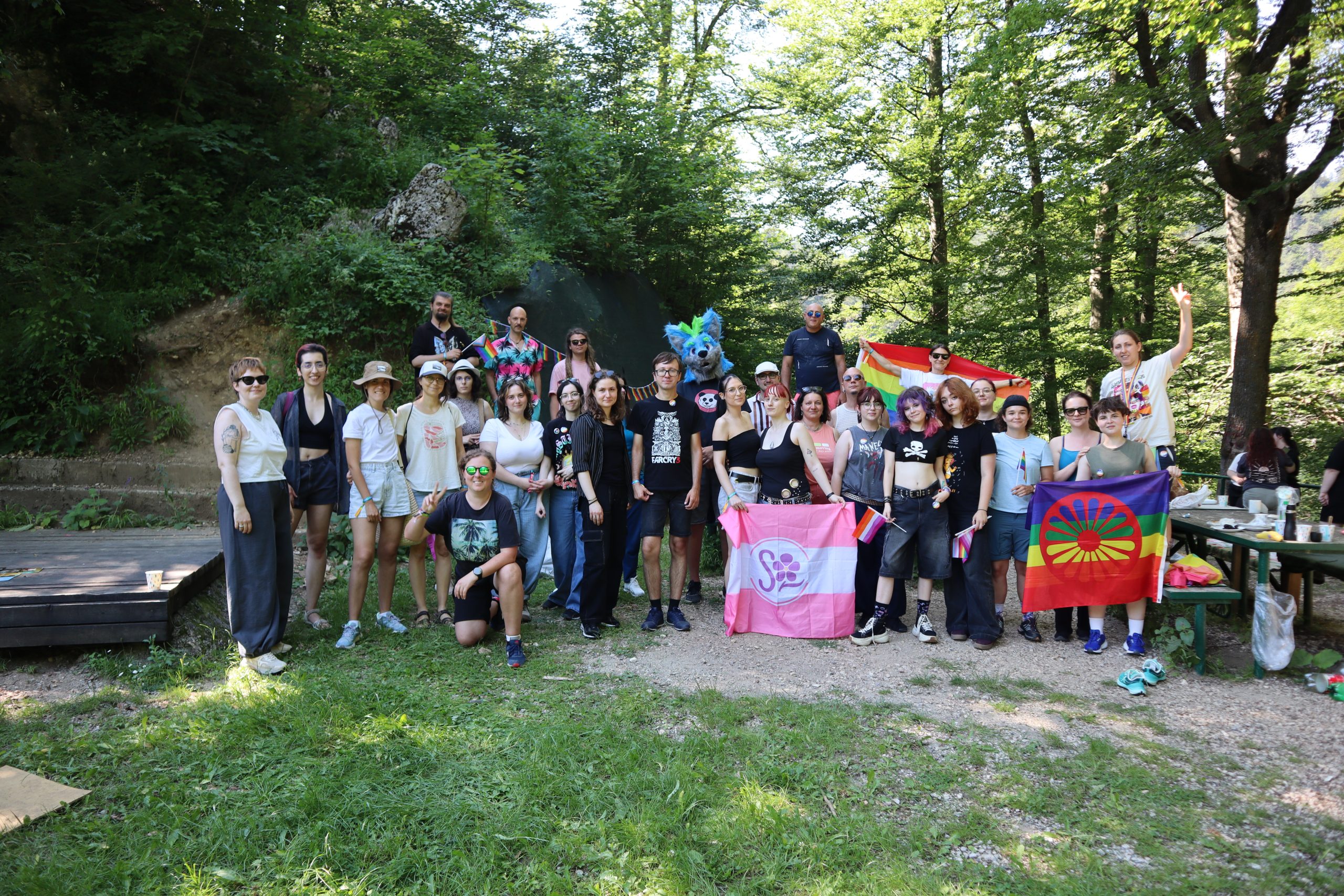
The volunteers draw their energy and resilience from the community. The organization has since evolved into a hub for the community in the region. They organize events, workshops, soccer practices, easy mountain hikes, and regular support groups.
Georgi: “Our work felt, feels and it will feel most meaningful during the moments of vulnerability turned into collective strength, such as seeing the participants open up and share their personal stories during our support groups or community meetups, finding solace in a judgment-free zone.”
Strength from the Community — with support from filia
The self-help group was founded and is coordinated by psychologist Ramona Grigoriță.
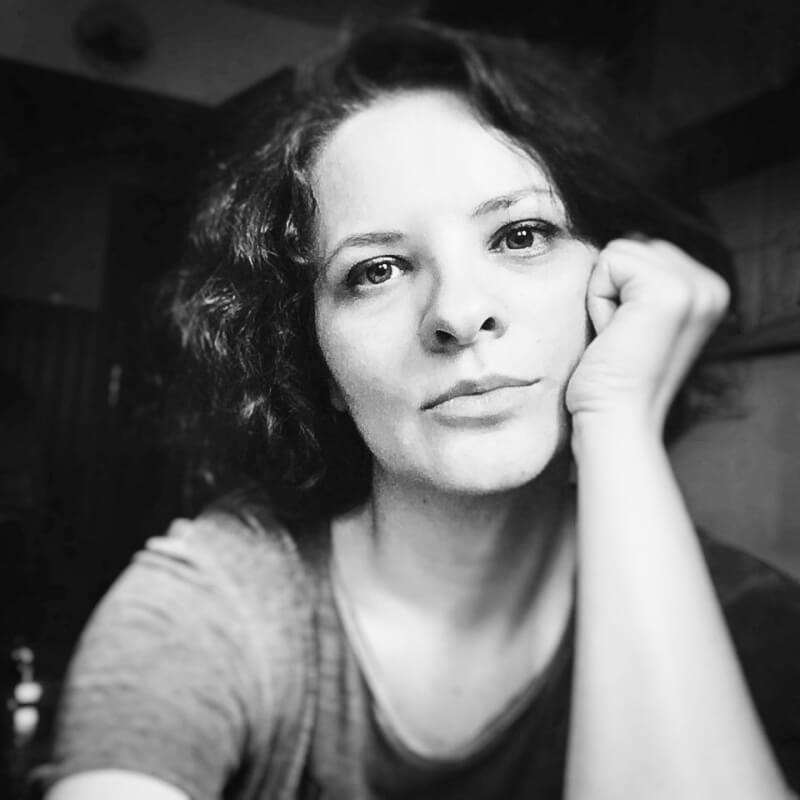
Ramona: “Just five months after the support group started, the pandemic began and we had to suspend our in-person meetings. I remember how worried we, as a team, were about how to keep the group going, especially because so many people from the community had to leave their friends and chosen families and return to their hometowns. Thanks to MozaiQ, another association in Romania, we were able to move the support group online and keep it going for the next 18 months.”
With the opening of Q Haus, Brașov’s first LGBTQIA+ community center, in September 2022, the support group took on a new form and continued to evolve. Although the center has since closed, the group continues to grow and create a safe, supportive space for the local LGBTQIA+ community.
Ramona: “Creating an inclusive environment that embraces the diversity of participants within the LGBTQIA+ community requires ongoing adjustments. Differences may exist in terms of gender
identity, sexual orientation, age, cultural background, social status, or personal experiences. It is essential that each person feels respected, heard, and valued. When someone leaves the group feeling lighter, more connected, or simply knowing that they have been heard, I feel that the work has truly mattered.”
Without filia‘s support, we would have faced the very real prospect of dissolving our legal status at the beginning of 2027. But thanks to your timely and vital financial backing, this crisis was averted. – Georgi Țucan
We‘re eagerly and hopefully awaiting the exciting message that these efforts will eventually result in a new law. Until then, Go [H] Brașov!
Join us in supporting even more real empowerment and change on the ground.
About filia’s Grantmaking
[H] Brasov receives funding through filias Recommendation Program for Eastern Europe, the South Caucasus, and Central Asia. Under this program, an advisory board composed of activists and experts from the regions (the so-called Recommendation Committee) recommends grassroots groups that are bringing about structural change for women, girls, and LGBTIQ+ people at the local level.